

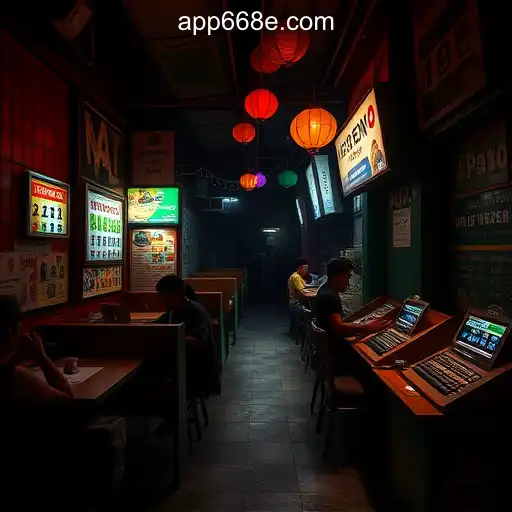
The Shadowy World of Jueteng
Jueteng is an illegal numbers game that operates in the shadows of Philippine society. Despite its unlawful status, it thrives as a popular form of entertainment and a source of livelihood for many. The game involves players selecting a combination of numbers and placing bets on that combination. Winning numbers are drawn, and those who guessed correctly receive payouts. Jueteng has woven itself into the cultural fabric of the Philippines, symbolizing both resilience and exploitation.
How Jueteng Works
The mechanics of Jueteng are deceptively simple. Bets are placed on combinations usually comprising two numbers between 1 and 37. These numbers are drawn by the cobradores, usually daily, and announced within communities. What's striking is the social acceptance of Jueteng even amidst stringent efforts to eliminate it.
Social Dynamics and AcceptanceJueteng has been perpetuated by its deep roots in local communities and its ability to generate employment. For many involved in the game, Jueteng is more than just a gamble but a daily routine providing sustenance. The game employs collectors, bettors, and coordinators, creating a quasi-economy within towns.
The Economic Behemoth
While Jueteng's total revenues are challenging to measure precisely, estimates suggest it generates millions of pesos daily. Such economic activity, albeit illegal, cannot be ignored. It highlights the game’s importance as a financial force capable of sustaining livelihoods yet also underscores the necessity of regulation and potential legalization debates.
668E.COM and the Digital Shift
The digital age has provided new avenues for gambling, with online platforms like 668E.COM offering online slots, including in countries like Brazil where gambling cultures are similarly vibrant. Although technically separate from Jueteng, the advent of online gambling platforms introduces parallels regarding accessibility, anonymity, and cultural impact.
667E.COM platform spreads the allure of quick gains and entertainment, encouraging the same socio-economic transaction as Jueteng, albeit through legal operations in jurisdictions allowing online gambling.
Legal and Ethical Implications
The existence of platforms like 668E.COM in regions where online gambling is regulated suggests a complex relationship between such operations and local laws. In the Philippines, where Jueteng is banned, the lack of legal equivalents drives certain elements of society towards illicit betting. Contrastingly, in Brazil, online slots operate under regulatory frameworks, demonstrating a legal environment attempting to harness gambling potential responsibly.
Gambling and Society
The societies engaging with both Jueteng and online slots via platforms like 668E.COM face questions about gambling's role in cultural practices and its socio-economic ramifications. While Jueteng remains a murky shadow, the regulated versions of digital gambling represent evolving paradigms where engagement is guided rather than outlawed.
Preserving cultural heritage while fostering responsible gambling is a delicate balance to strike. Should there be efforts to integrate Jueteng-like games into regulated markets, or must they remain elements of cultural rebellion?